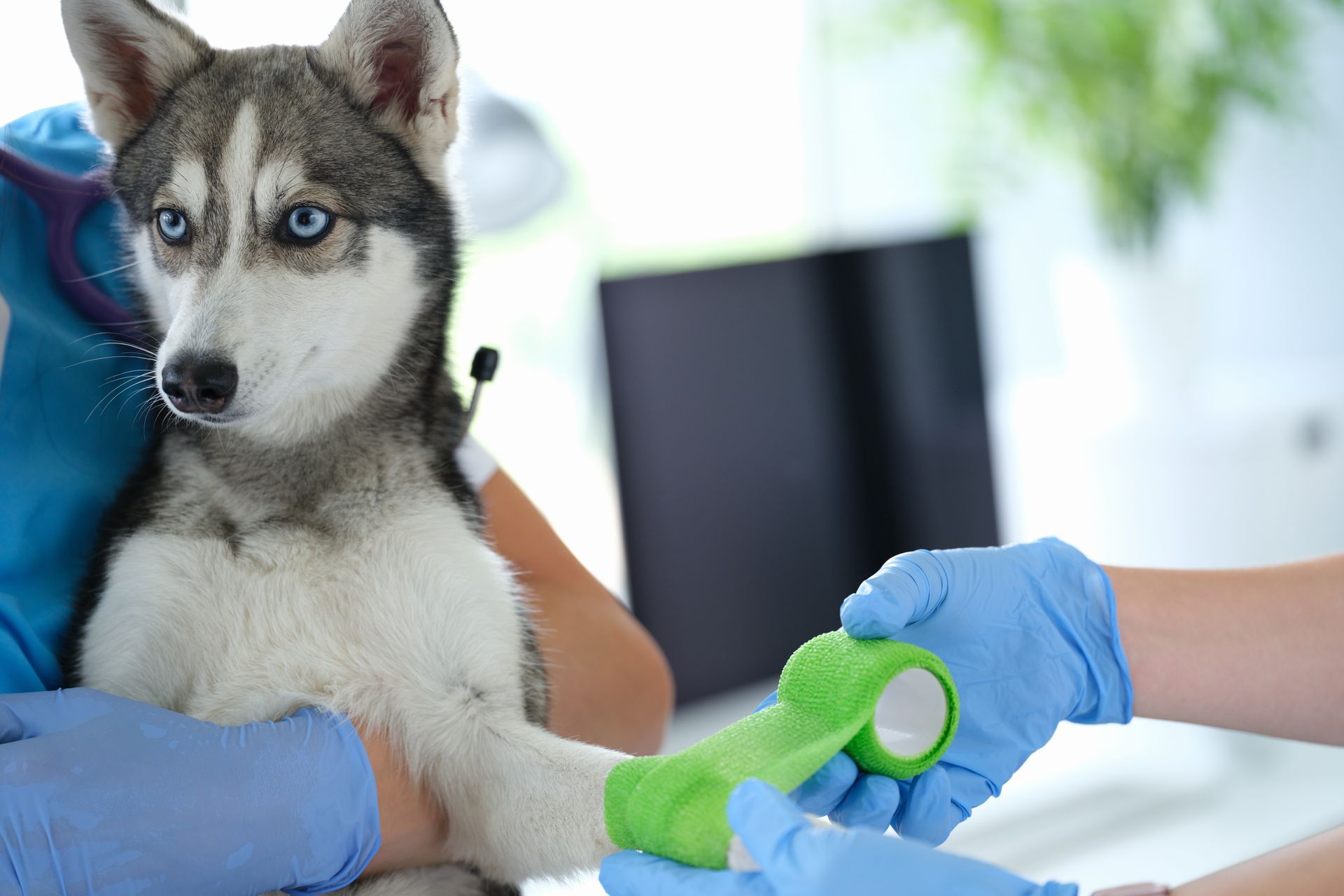

Preparing Your Pet for Surgery: Tips from a Seattle, WA, Emergency Veterinarian
Knowing what to expect before pet surgery in Seattle, WA, can reduce stress for both you and your animal. Whether your pet is scheduled for a routine spay or a more complex procedure, understanding the pre-operative process, fasting rules, and recovery setup can make a real difference.
What Happens During a Pre-Op Appointment?
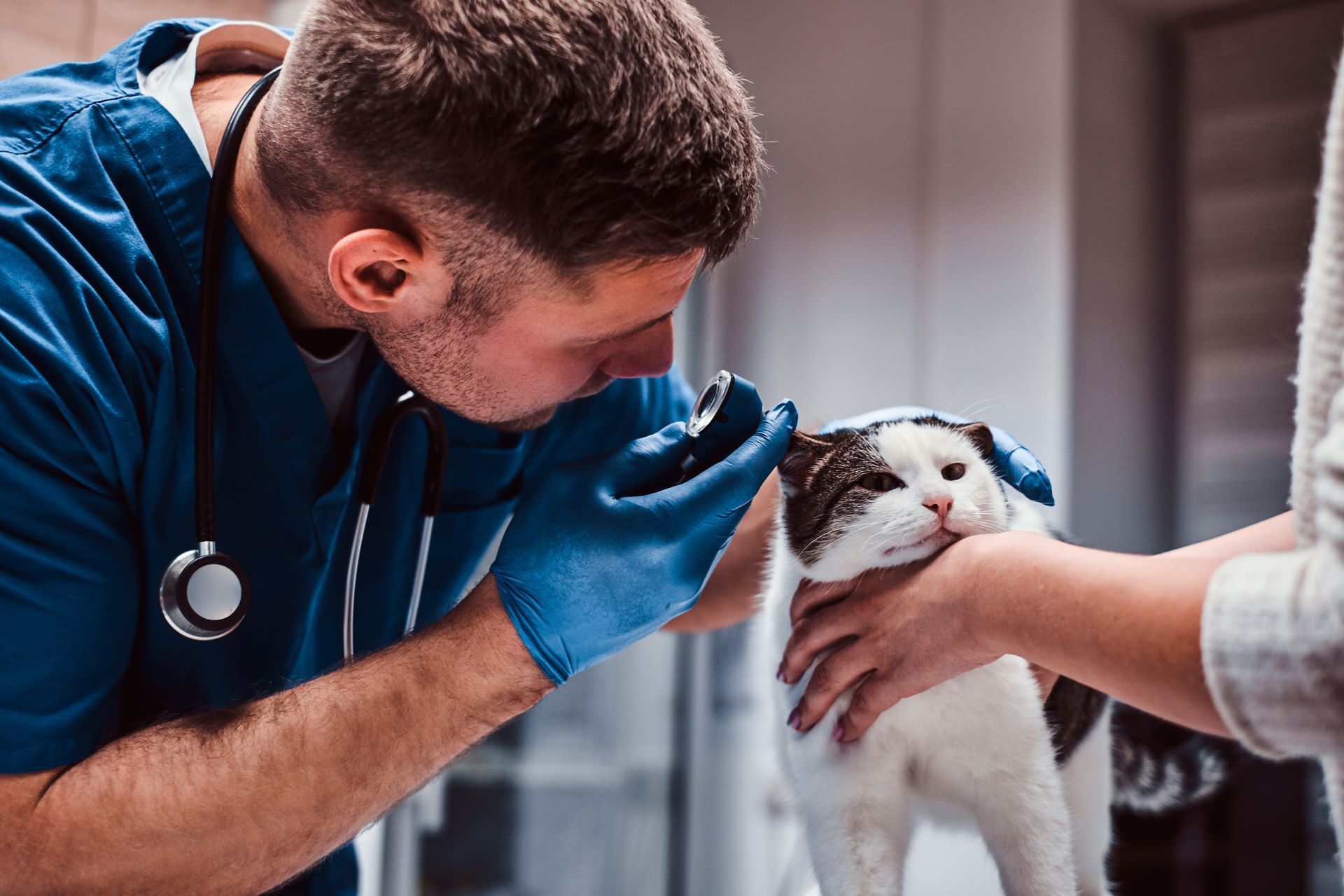
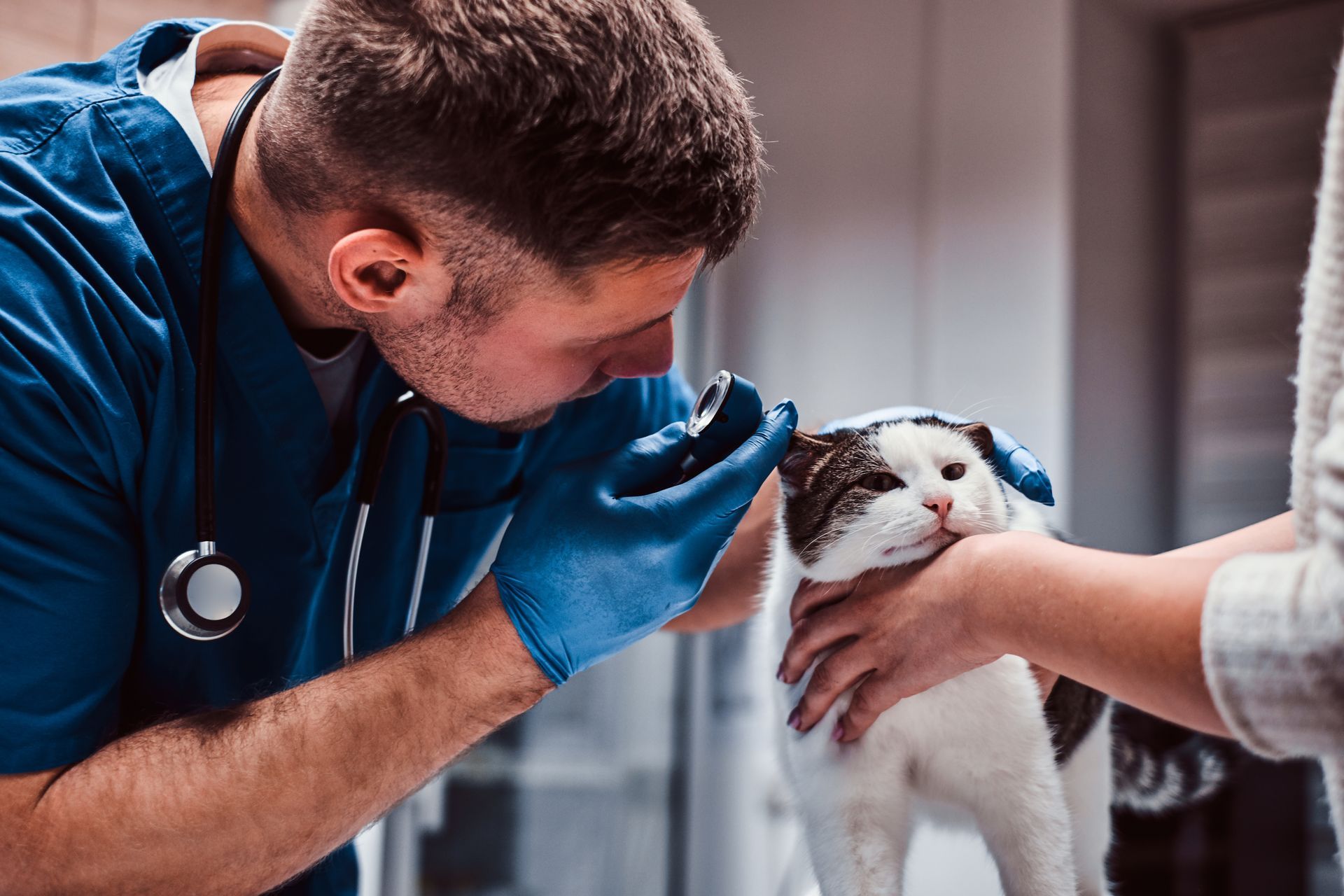
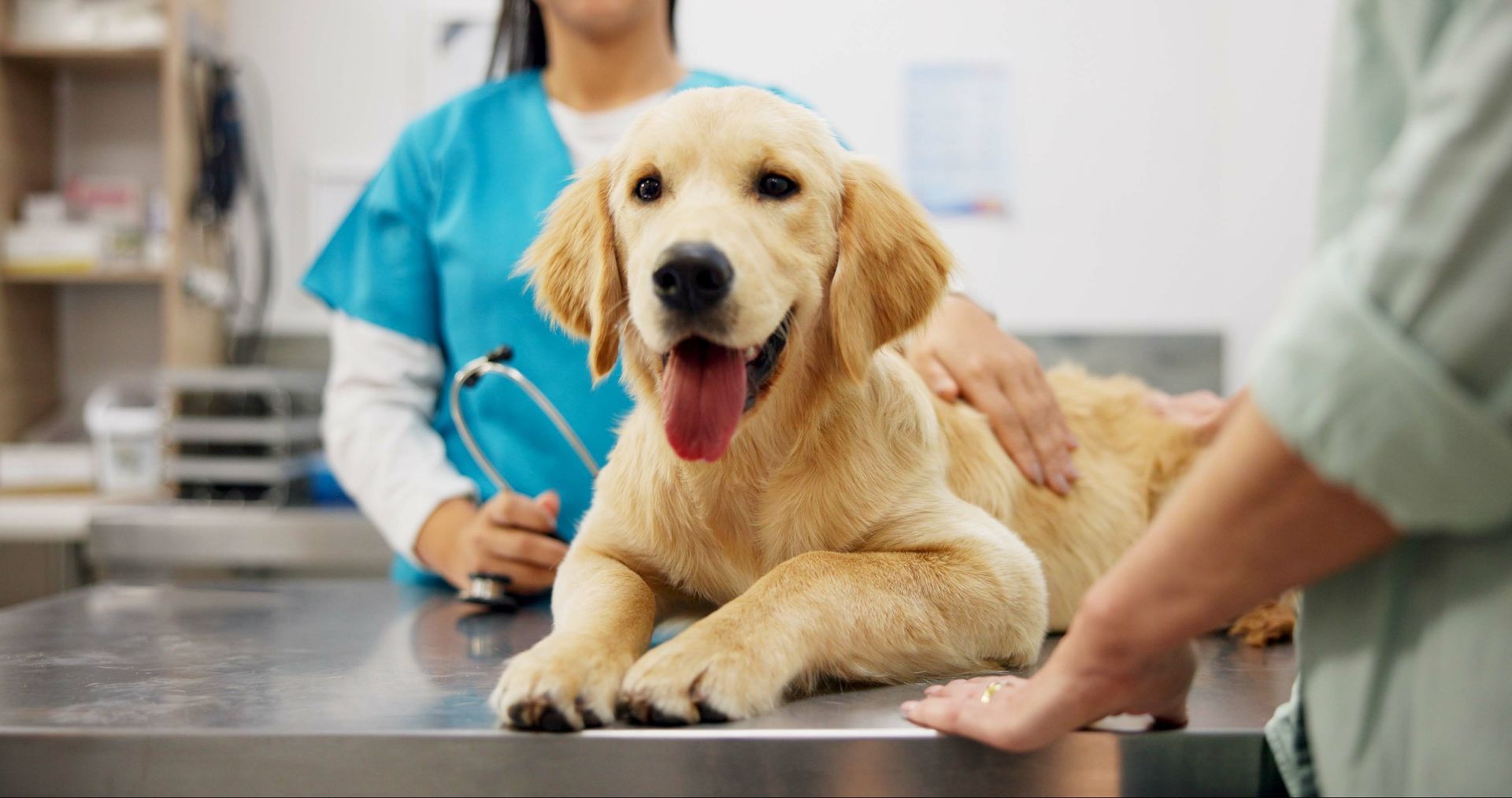
A pre-op appointment gives the veterinary team a chance to assess your pet's health before surgery. The vet may review medical history, perform a physical exam, and run bloodwork to check organ function. These steps help identify conditions that could affect how your pet responds to anesthesia.
Ask your vet about any medications your pet takes, as some may need to be paused before the procedure. Write down any questions you have about the surgery itself. If you have concerns heading into the visit, contact our team today , and we can help you prepare.
How Should I Prepare My Pet the Night Before Surgery?
Most pets should not eat for 8 to 12 hours before their scheduled surgery time. Food in the stomach can cause serious complications under anesthesia, including vomiting and aspiration.
Water restrictions vary by case, so confirm the exact guidelines with your veterinary team. Keep the evening calm, avoid high-energy play, and give your pet a quiet place to rest.
What About Pets with Special Medical Needs?
Pets with diabetes, heart conditions, or other chronic issues may need adjusted fasting schedules or modified pre-op care. Always inform your emergency veterinarian of ongoing health concerns so the team can plan accordingly. When scheduling pet surgery in Seattle, WA, share your pet's full medical history at the earliest opportunity.
Setting Up a Recovery Space at Home
A quiet, comfortable recovery space may help your pet heal faster. Choose a room with low foot traffic and easy floor access so your pet does not need to jump. Gather these supplies in advance:
- A clean, soft bed or padded mat at floor level.
- Fresh water nearby at all times.
- A cone or recovery collar if your vet recommends one.
- Prescribed medications filled and ready before surgery day.
- A non-slip surface so your pet can move safely.
Keep other pets and small children away during initial recovery. Restrict activity as directed, since overexertion can delay healing or cause complications.
Why the Quality of Your Surgical Team Matters
Choosing a qualified surgical team is one of the most important decisions a pet owner can make. Pet surgery in Seattle, WA, should only be performed by experienced veterinarians with access to proper monitoring equipment and post-operative support. Learn more about our emergency and surgical services to understand what that level of care looks like in practice.
Ask about anesthesia monitoring during the procedure. Continuous monitoring of heart rate, oxygen levels, and blood pressure may significantly reduce risk.
Know who to contact if complications arise after you return home. Post-surgical warning signs include excessive swelling, persistent bleeding, difficulty breathing, loss of appetite lasting more than 24 hours, or signs of extreme pain. Having a direct contact number before surgery day may save critical time. South Seattle Veterinary Hospital is available around the clock at (206) 242-8338 , day or night.
Trusted Pet Surgery in Seattle, WA
South Seattle Veterinary Hospital provides pet surgery in Seattle, WA, along with 24/7 emergency veterinary care. If your pet is scheduled for a procedure or you have questions about what to expect, our team is here to help. You can also find us on Google Maps to plan your visit.