
Household Dog Poisons | South Seattle Veterinary Hospital
Most dogs get excited about the occasional treat. Some love human food more than anything else, and will gladly do tricks for bits of meat or feast on leftovers after a meal. However, a dog who is used to eating human food might accidentally eat foods or other items that are very hazardous to their health.
There are a number of everyday foods that your dog could eat that can cause immediate or long-term health problems. Read on to learn about some common foods that can poison your dog and what to do if you find out your dog has eaten them.
Chocolate
Chocolate is one of the best-known foods that dogs can't tolerate. Your dog should not have chocolate in any form: no brownies, chocolate chip cookies, chocolate milk, or chocolate ice-cream.
The more intense the chocolate, the more harmful it is to your dog. Smaller dogs can tolerate less chocolate before they start to show signs of immediate and emergent distress. Chocolate contains a chemical called theobromine. Dogs do not metabolize theobromine as quickly as humans, so the theobromine builds up quickly.
In small amounts, chocolate might cause digestive upset. However, more chocolate can lead to seizures, heart attacks, massive internal bleeding, and irregular muscle movements.
Dogs who show signs of poisoning should be seen by a
vet immediately
. If you notice your dog has gotten into a chocolate stash, such as a bar left in your purse or a package of leftover Halloween candy, don't wait to see if they will get sick. The effects of the chocolate can be tempered if your dog receives treatment as soon as possible.
Your vet can induce vomiting, helping to get the chocolate out of your dog's digestive system. Then, the dog will need to be monitored for signs of poisoning and also for signs of dehydration, because the intense vomiting reduces fluids.
To prevent chocolate poisoning, keep all cocoa, baking chocolate, and chocolate chips out of reach of your dog (the freezer is a good dog-proof zone). Never offer your dog bites of chocolate-flavored foods, even if the chocolate content is low. You don't want your dog to develop a taste for chocolate items.
Garlic and Onions
Your dog should not have any form of garlic or onions. Some owners mistakenly think that if the garlic or onion is cooked, it is safe for the dog. This is not true, and herein lies the danger of dogs being fed leftovers and bits of human food. Garlic and onion are both extraordinarily common in human foods.
Both onions and garlic have compounds that affect your dog's red blood cells. They can harm red blood cells that are already formed and reduce your dog's ability to replace them. With reduced red blood cell count, your dog does not get the right amount of oxygen for proper organ function.
Dogs can be poisoned by a relatively small amount of garlic or onion. If you were to feed your 50-pound dog just four ounces of onion, they could start to experience toxic effects. The amount of onion or garlic that a dog can tolerate is even lower in smaller breeds. For example, a small dog that weighs under ten pounds would be poisoned with less than a single ounce of onions.
How can you know if your pet needs medical attention? Their breath will be the first sign, since garlic and onions both have strong, distinct smells. Your dog will be lethargic, have muscle weakness, and they might experience shallow breathing and a racing heart rate as their body tries to pump enough blood and get enough air to get the oxygen it needs.
The best treatment is again to induce vomiting and at a local vet clinic. Your vet may also give activated charcoal to reduce the toxic effects of the poison. For severe cases of anemia from reduced blood cell count, your dog might need a blood transfusion.
Grapes and Raisins
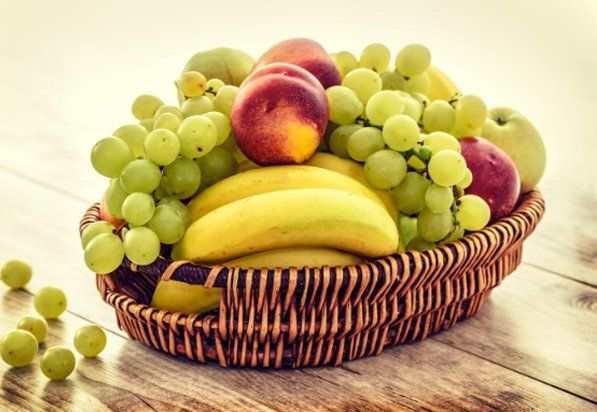
Some dogs love to eat fruit. They might enjoy a piece of apple or chase after a fallen blueberry. However, grapes and all of their relatives (including raisins and currants) are terrible for dogs. They can cause kidney failure, and if your dog eats a fair amount of grapes or raisins, you should treat it as a medical emergency.
Nothing that contains grapes should ever be fed to your dog. Raisin bread, raisin muffins, trail mix, grape juice, or even a bit of peanut butter sandwich with grape jelly can be harmful to your dog.
Unlike chocolate, garlic, and onions, veterinarians still do not know why grapes and raisins are so harmful to dogs and why they can cause sudden kidney failure. They also know that the dose of the grapes does not necessarily matter. One grape could be enough to make your dog ill.
If you notice that your dog is in pain, has bloody urine, has an stomach upset, no longer produces urine, has trouble breathing, or falls completely unconscious, contact your vet immediately.
For more information on keeping your dog safe from human food poisons, contact us at South Seattle Veterinary Hospital.