
Signs Your Pet Needs an Emergency Vet Near Tacoma, WA — And What to Do Next
Knowing when your pet needs an emergency vet is one of the most important things you can learn as a pet owner, and this guide covers the top warning signs, what to do before you leave home, and how to reach care fast when you live in or near Tacoma, WA.
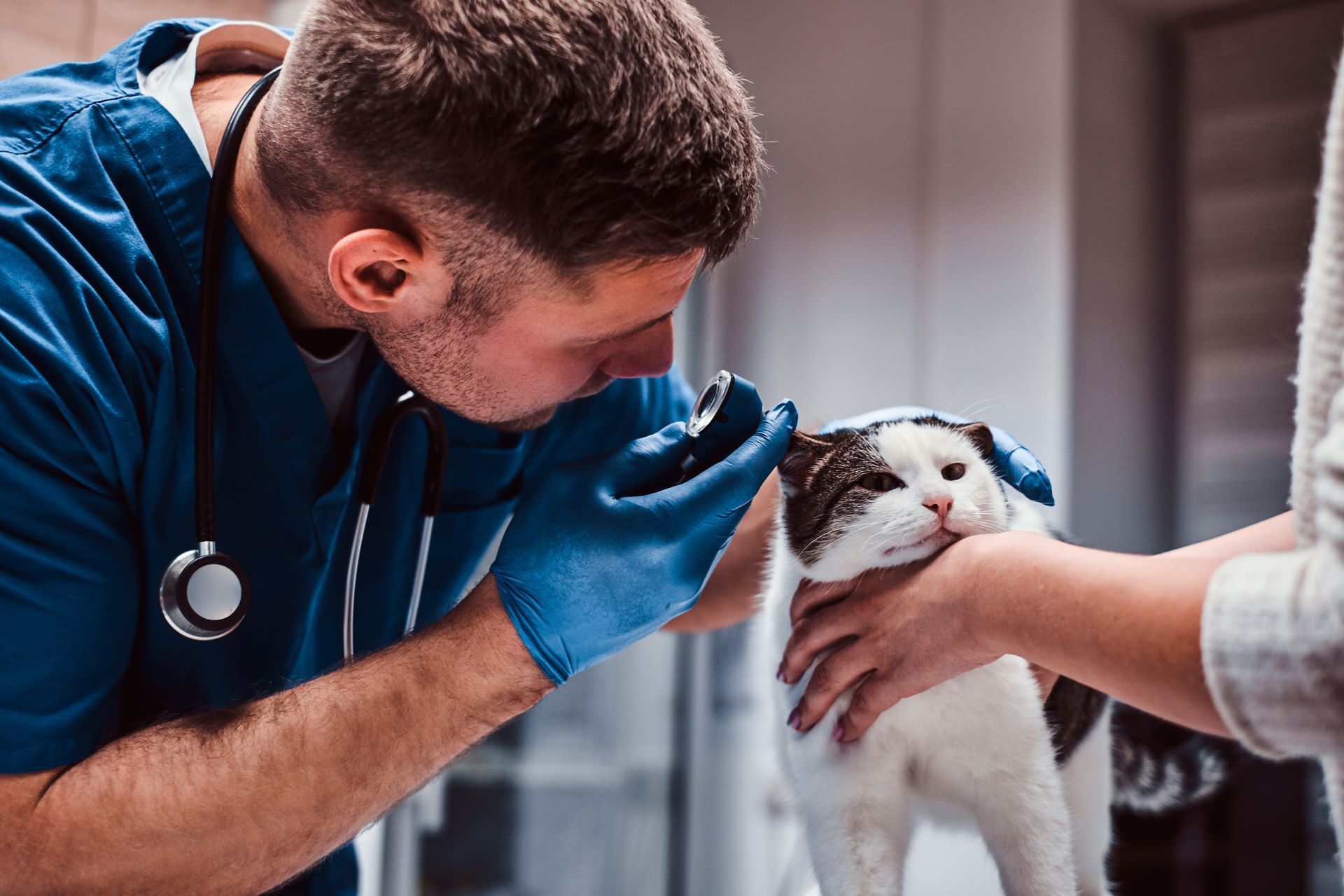
Every year, pet owners across Tacoma, WA, face moments of uncertainty when their dog or cat shows sudden, alarming symptoms. An emergency vet can mean the difference between recovery and a far worse outcome. The challenge is knowing which symptoms are true emergencies and which can wait for a regular appointment. This guide breaks down exactly what to watch for, how to prepare, and what steps to take next.
Top 10 Warning Signs Your Pet Needs Emergency Vet Care Now
An emergency vet visit may be necessary the moment you notice certain physical or behavioral changes in your pet. These signs should never be ignored or placed on a wait-and-see list.
- Difficulty breathing, choking, or gasping for air.
- Pale, white, blue, or gray gums, which can signal shock or anemia.
- Repeated vomiting or diarrhea lasting more than a few hours.
- Seizures, uncontrolled trembling, or sudden collapse.
- Inability to urinate or extreme straining to urinate.
- Visible wounds, deep lacerations, or suspected broken bones.
- Suspected poisoning from household chemicals, plants, or foods toxic to pets.
- Sudden and severe lethargy where your pet cannot stand or stay awake.
- A swollen or distended abdomen, especially in large or deep-chested dog breeds.
- Eye injuries, sudden vision loss, or a cloudy or bulging eye.
Tacoma's mild but wet winters can lead to pets ingesting outdoor hazards like slug bait and antifreeze, both of which are highly toxic. If you suspect your pet has eaten anything unusual, treat it as an emergency immediately.
What Should You Do Before Leaving for the Emergency Vet?
A few quick steps at home can help your pet stay safer during the drive. Keep your pet as calm and still as possible to avoid worsening an injury.
If your pet is bleeding, apply gentle pressure with a clean cloth. Do not attempt to remove any object stuck in a wound. If your pet has had a seizure, move nearby objects away and do not restrain your pet during the episode. Once the seizure stops, keep your pet warm and quiet. If you suspect poisoning, try to identify what your pet ate and bring the packaging or a photo of the plant or substance with you.
Never muzzle a pet that is having trouble breathing, even if you are worried about a bite. A pet in pain may act out of character, so approach your pet gently and speak in a calm, low voice.
What to Bring to an Emergency Vet Visit
Arriving prepared helps the veterinary team work faster. Bring the following items if time allows.
- Your pet's vaccination records, or the name and phone number of their regular vet.
- Any medications your pet currently takes, including dose and frequency.
- The packaging, label, or a photo of anything your pet may have eaten or been exposed to.
- A carrier, crate, or leash to keep your pet contained and calm during transport.
- A form of payment, since many emergency clinics require payment at the time of service.
If you have none of these things, go anyway. The team can gather information when you arrive.
How Far Is the Drive From Tacoma to South Seattle?
Tacoma, WA, is typically a 30- to 40-minute drive from South Seattle via I-5 North. That drive time makes it practical to head directly to a 24/7 facility rather than wait for a local clinic to open. Tacoma neighborhoods like Hilltop, North End, and South Tacoma all offer reasonably direct highway access north. Saving the address and phone number in your phone before an emergency ever happens can save precious minutes.
Does Emergency Vet Care Cost More Than a Regular Visit?
Emergency veterinary care typically involves higher costs than a routine appointment because of after-hours staffing, advanced diagnostics, and the need for immediate action. If cost is a concern, ask the team about payment options when you call or arrive. Focus first on getting your pet evaluated. A triage assessment can help determine how urgent the situation is and what the next steps look like.
What Happens When You Walk Into an Emergency Animal Hospital?
Walk-in emergency care means no appointment is needed. When you arrive, the team will perform an immediate triage assessment to evaluate your pet's vital signs and the severity of their condition. The most critical cases are seen first, similar to a human emergency room. You will receive an explanation of what the team is doing and what options are available at each step.
Find Trusted Emergency Vet Care Serving Tacoma, WA
Pet emergencies do not follow a schedule, and neither should your access to care. When your pet shows any of the symptoms listed above, acting quickly is the single most important thing you can do.
South Seattle Veterinary Hospital offers 24/7 emergency vet care serving Tacoma, WA, with no appointment needed and walk-ins always welcome. The team is available around the clock, including overnights, weekends, and holidays. To speak with someone right now, call
(206) 242-8338. You can also
contact the team online or learn more about available treatments on the
emergency services page. Find and review
South Seattle Veterinary Hospital on Google to learn more about the team before your visit.