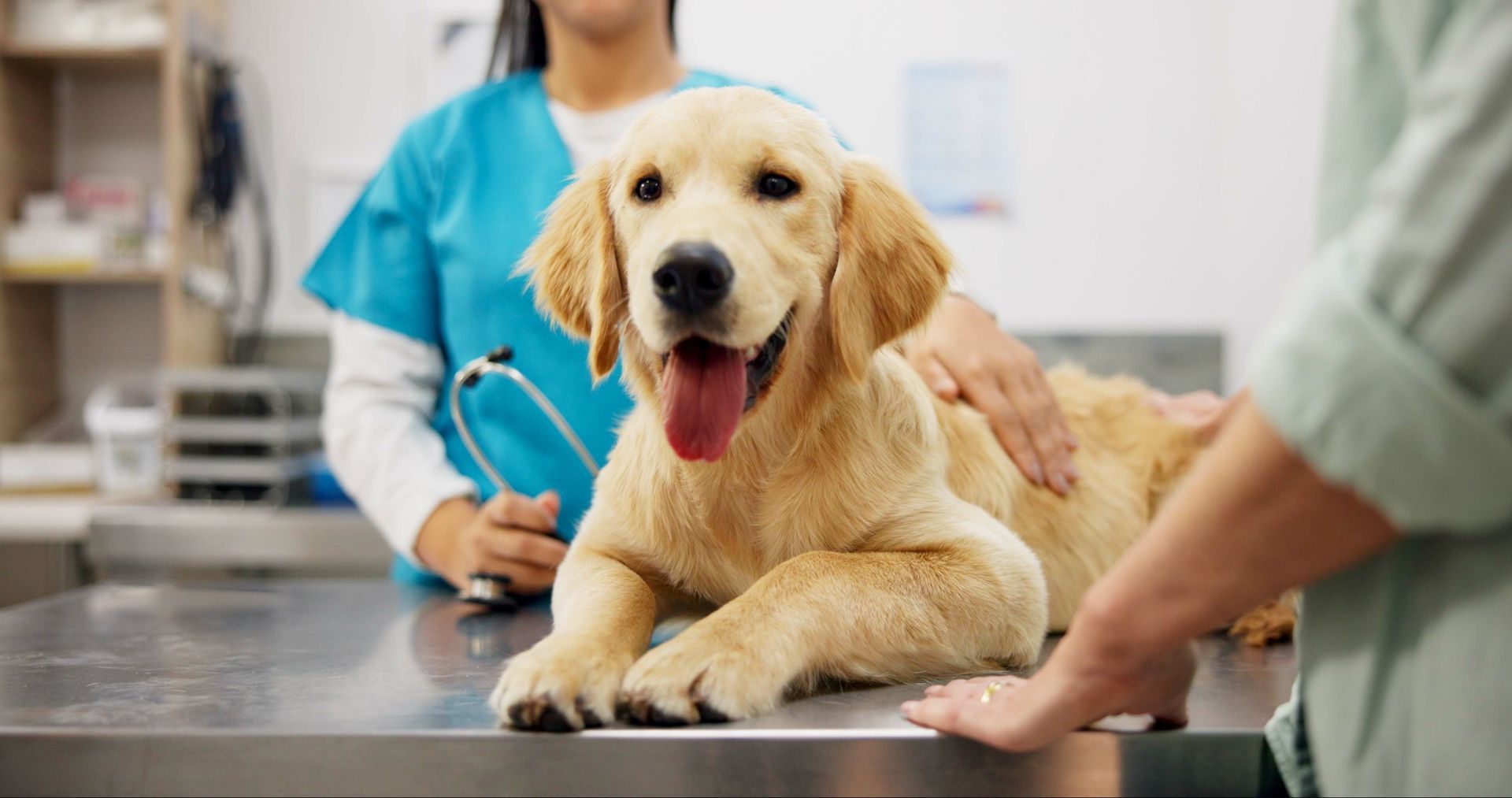

What Happens During a Wellness Exam at a Seattle Veterinary Clinic
Not sure what happens during a wellness exam? You are not alone, and a little preparation goes a long way. Knowing each step lets you walk in, ready with good questions and leave with a clear plan for your pet's health. Here is what to expect at a Seattle veterinary clinic, and why this yearly visit is one of the most useful things you can do for your pet.
Wellness Exams Catch Problems Early
A wellness exam checks your pet when nothing seems wrong. Many illnesses start quietly, with small changes in weight, appetite, or energy. Finding them early often means simpler and less costly care.
Veterinary clinic visits work best on a regular schedule. Most adult pets benefit from at least one wellness exam each year. Puppies, kittens, and senior pets often need more frequent visits. Your veterinary clinic can set a schedule that fits your pet's age and health.
What Happens Before the Exam Starts
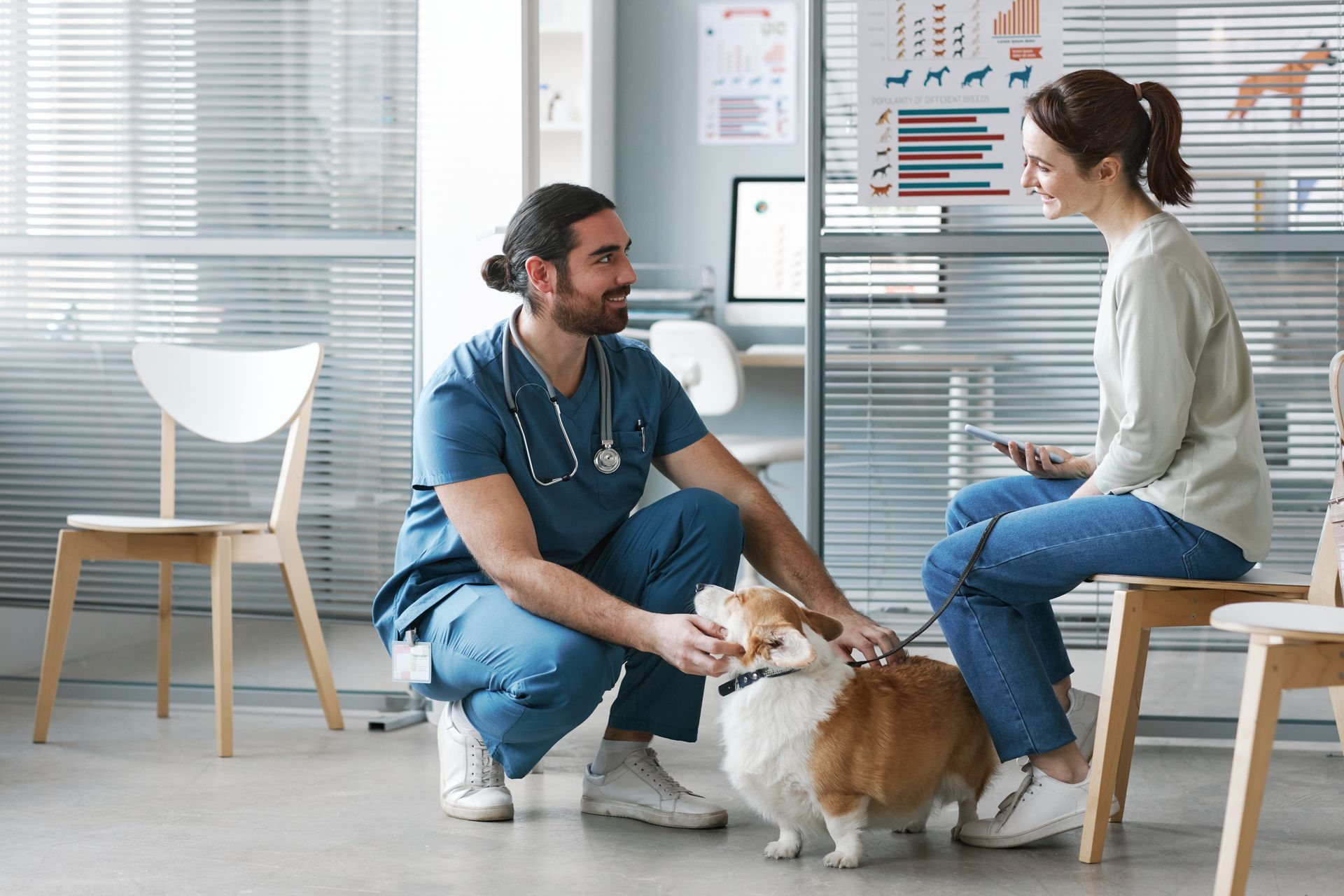
Most visits begin before the veterinarian enters the room. The clinic team will usually ask you to complete a short history form and tell them about any changes at home.
▸ Your pet's weight is recorded, since small weight changes can signal a problem.
▸ The team reviews your pet's vaccine and medication records.
▸ You can share any concerns, such as coughing, limping, or changes in drinking.
▸ Your pet may be placed in a quiet room to reduce stress.
The Physical Exam, Step by Step
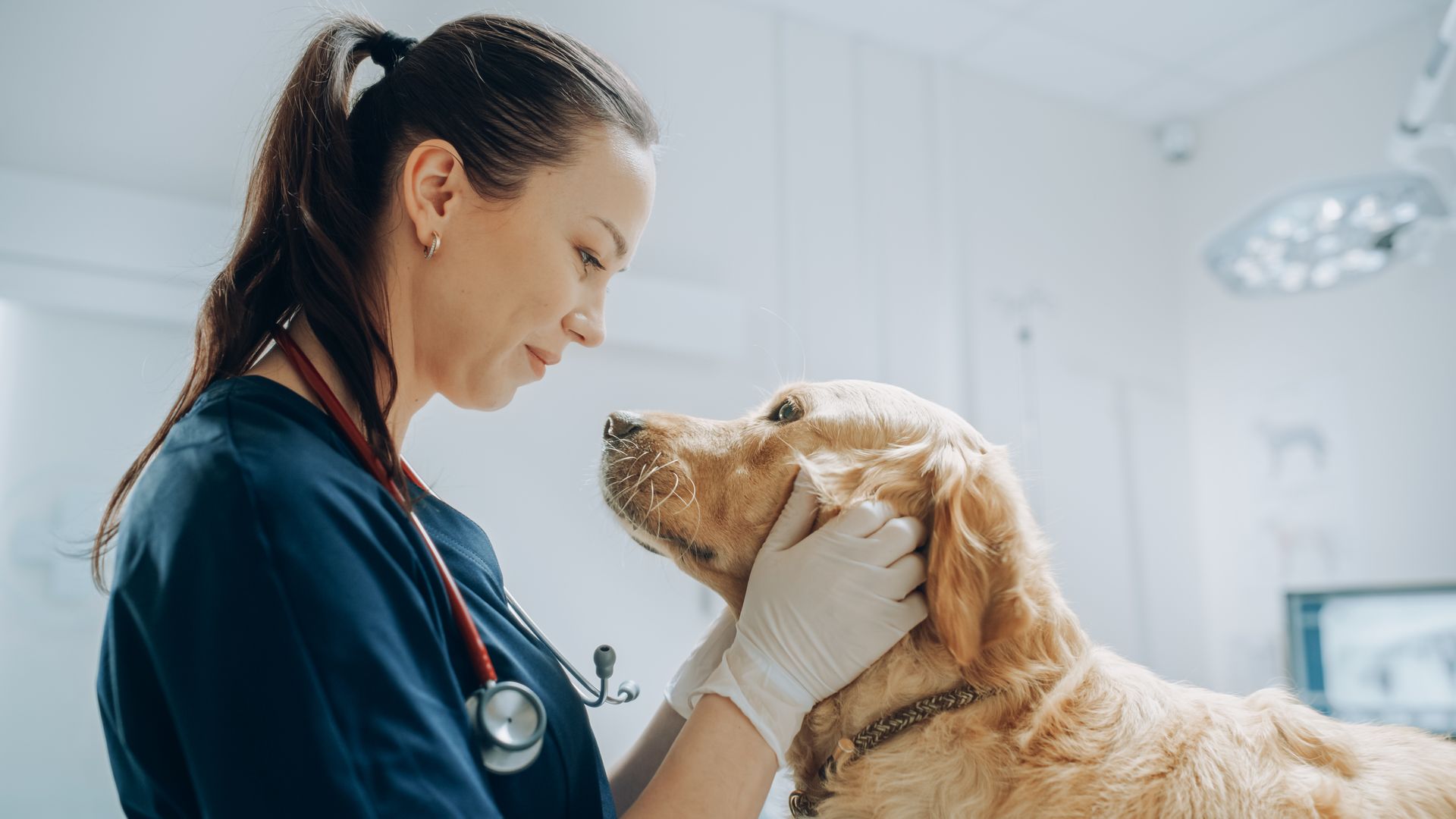
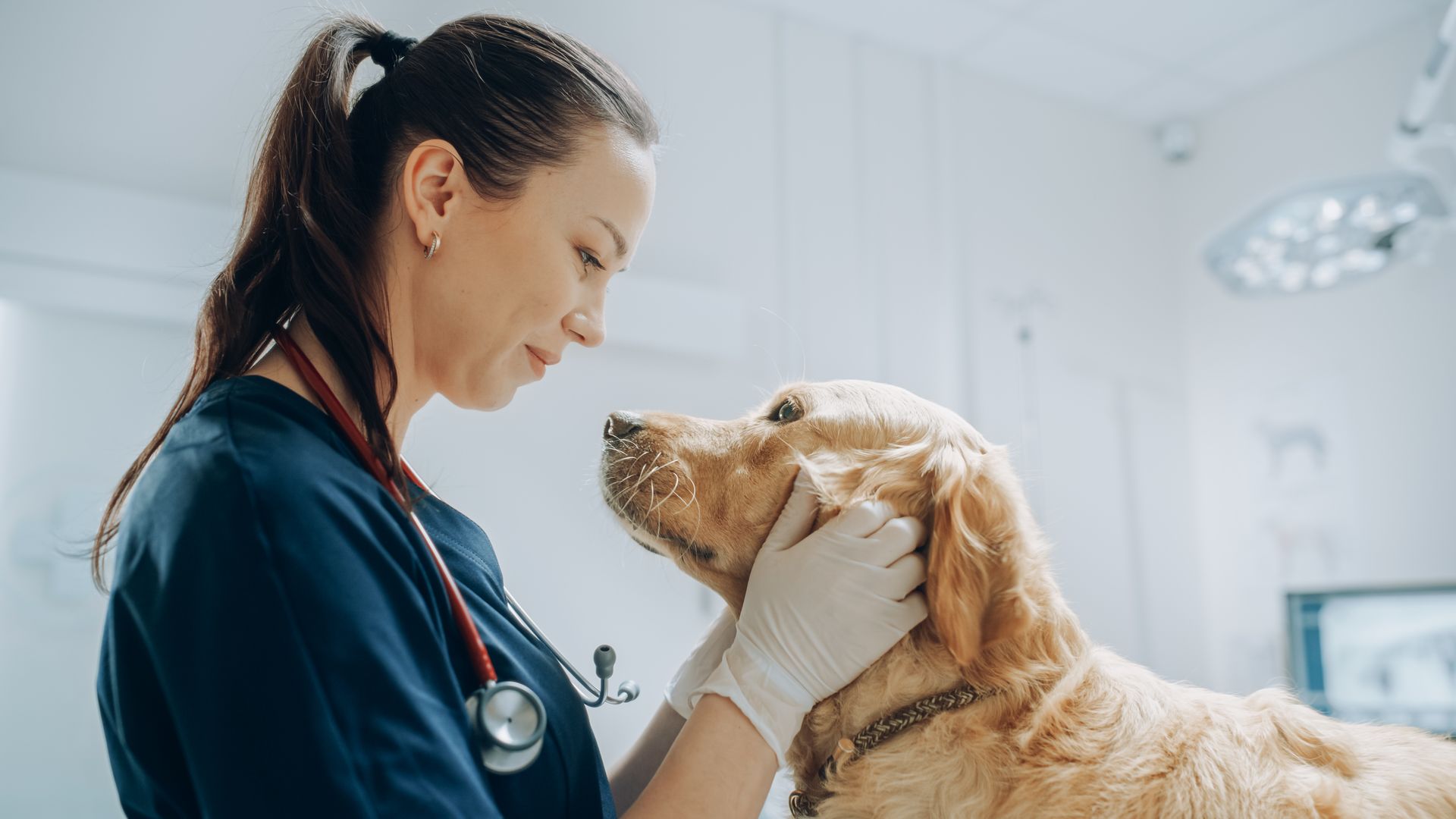
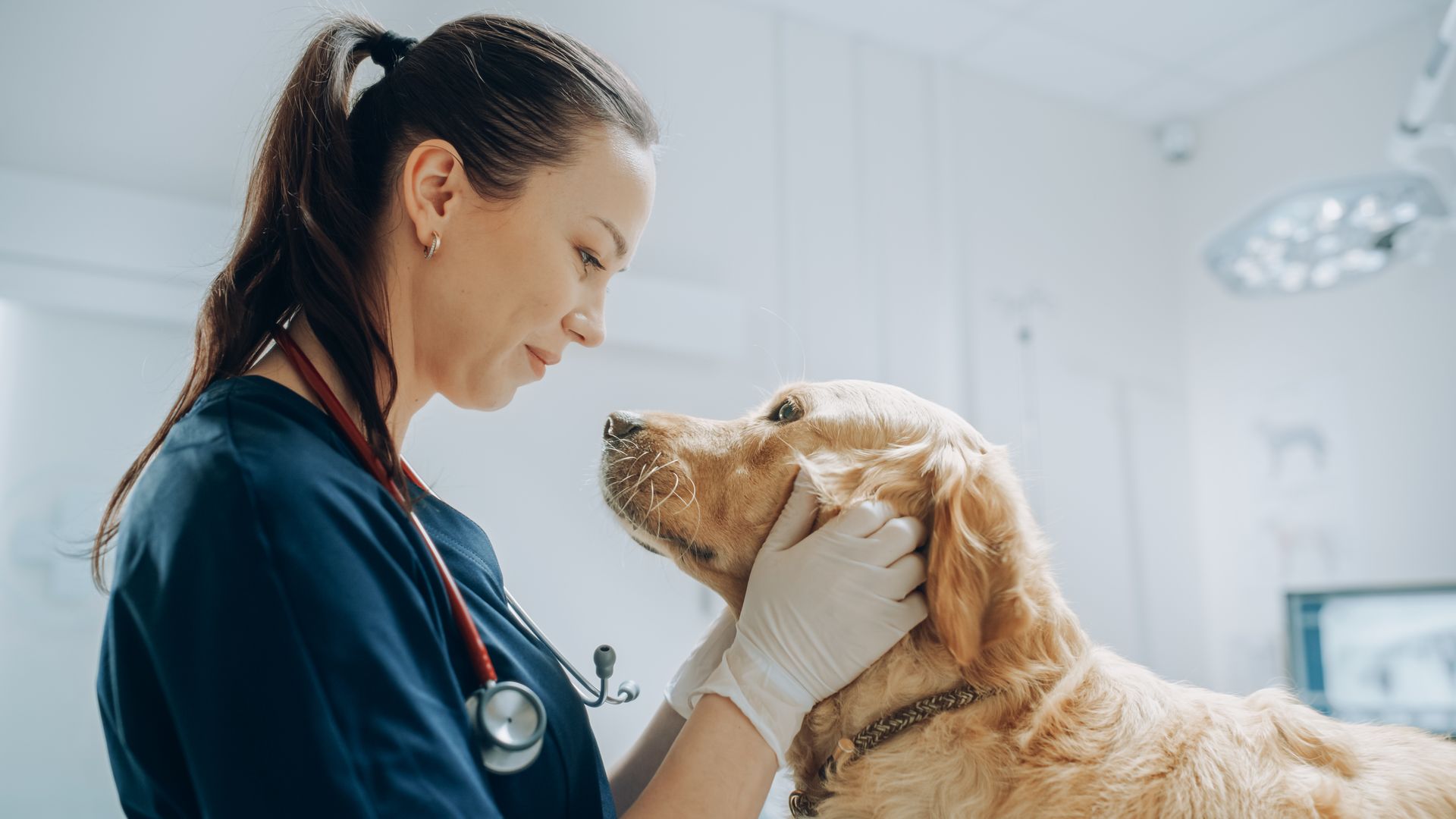
The veterinarian checks your pet from nose to tail. Each part of the exam takes only a few minutes, but together they give a full picture of your pet's health. A thorough exam takes longer than many owners expect, and that is normal. Ask the veterinary clinic team how long your visit will take so you can plan your day.
Eyes, Ears, and Mouth
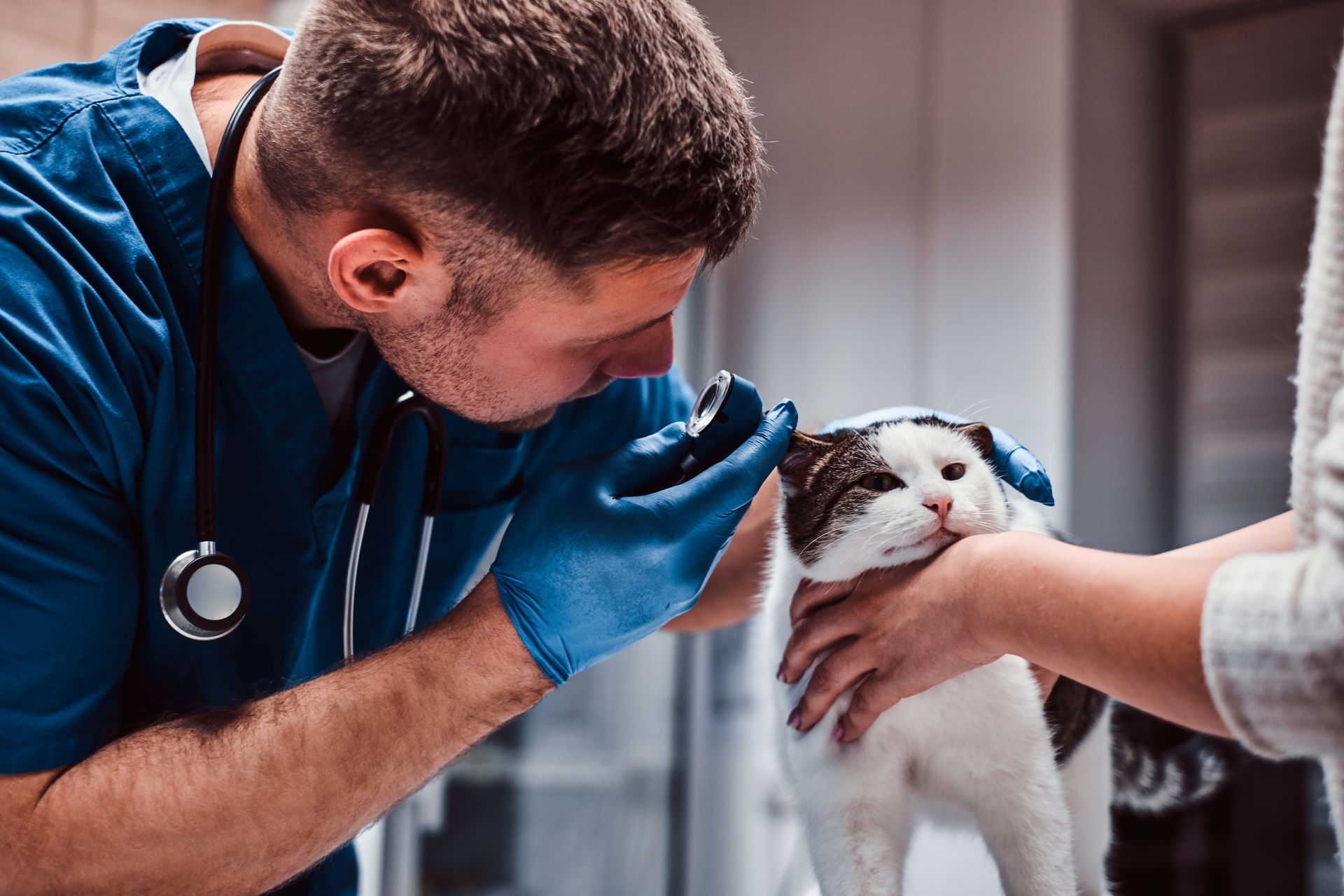
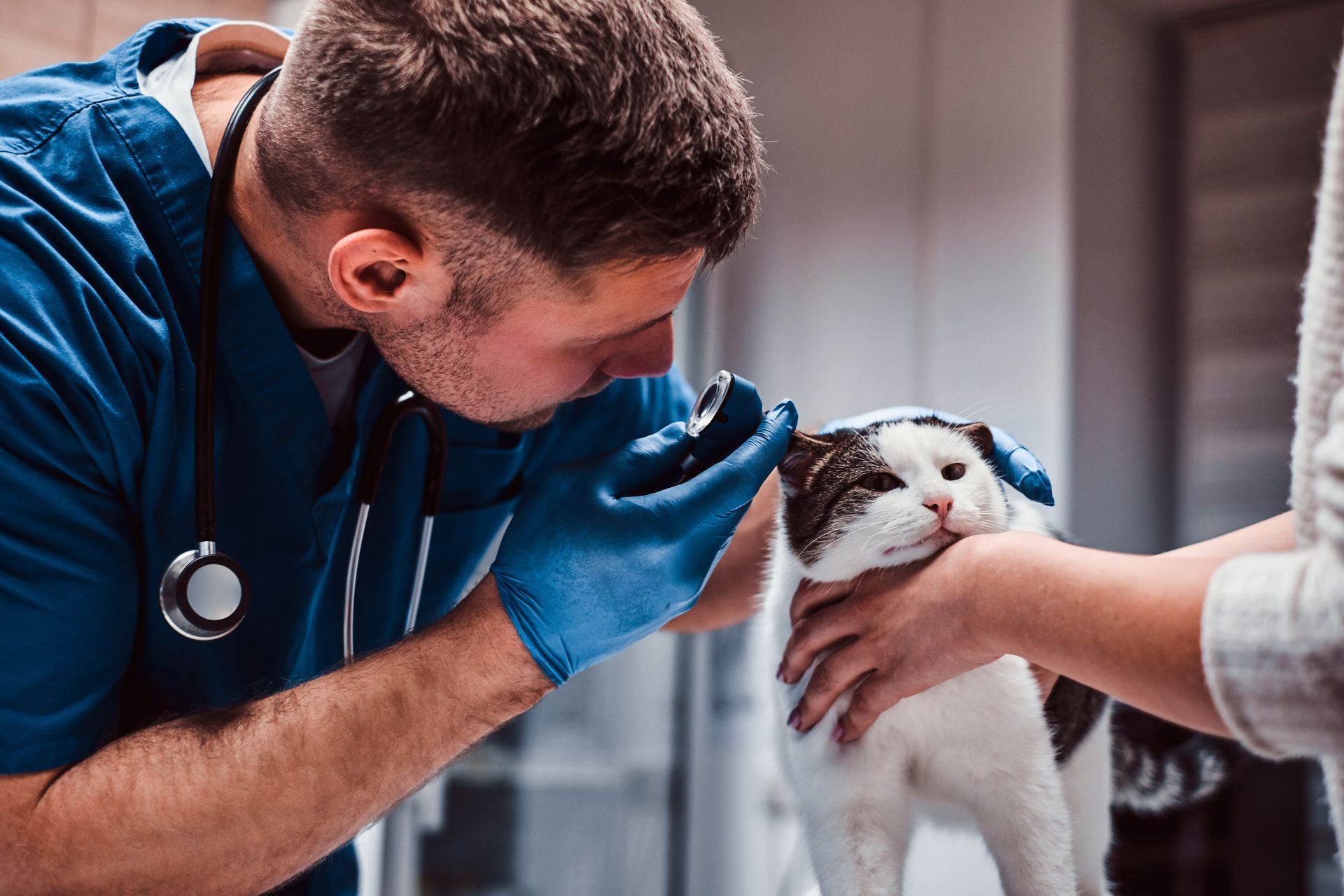
The veterinarian looks at the eyes for redness, discharge, or cloudiness. The ears are checked for infection, wax buildup, and mites. The teeth and gums are examined for tartar, gum disease, and broken teeth.
Heart, Lungs, and Abdomen
The veterinarian listens to the heart and lungs with a stethoscope. Any unusual sounds may point to heart disease or breathing problems. The veterinarian gently feels the abdomen to check the size and texture of the organs.
Skin, Coat, and Joints
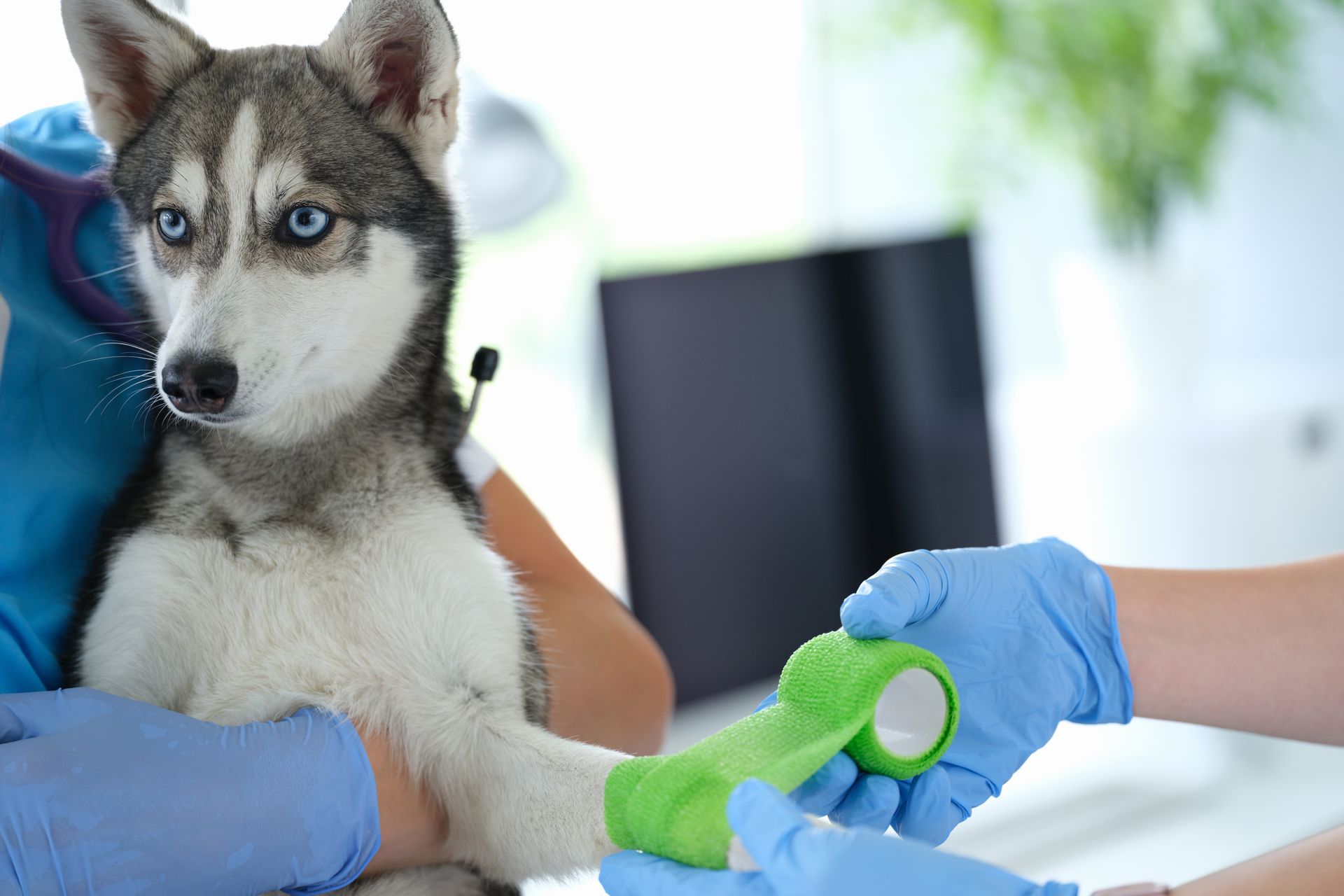
The veterinarian checks the skin and coat for lumps, parasites, and dry patches. The veterinarian moves the joints gently to look for pain, stiffness, or limping that may be easy to miss at home.
Seattle-Specific Concerns to Discuss
Pets in Seattle face a few local risks that are worth raising at each visit. The region's wet climate affects skin and paws, and ticks can be active in wooded and grassy areas. Dogs in the city also need a valid license, and your veterinarian can help you stay on top of it. Many Seattle pets spend time outdoors, so tell your clinic about hikes, beach visits, or dog parks. That helps the exam focus on the risks that matter most.
▸ Rainy weather can lead to ear infections, skin irritation, and muddy paw issues.
▸ Hiking trails and parks around Seattle can expose pets to ticks and parasites.
▸ Busy city streets make leash training and up-to-date microchip records especially important.
▸ Indoor cats may still need parasite control and dental care.
What Does a First Vet Visit Typically Include?
A first vet visit includes a full physical exam, a review of your pet's health history, and personalized recommendations for vaccinations and preventive care. Depending on age and situation, the vet may also recommend blood work, a fecal parasite test, or a dental assessment to establish a health baseline and catch concerns early.
How Often Should I Take My Pet to the Veterinarian After the First Visit?
Most healthy adult pets benefit from an annual wellness exam. Puppies and kittens may need visits every three to four weeks during their first few months to complete vaccine series, while senior pets over seven years old often benefit from visits every six months. Your vet will recommend a schedule based on your pet's specific needs.
Is a First Vet Visit Stressful for Pets?
It can be, but preparation helps. Bringing familiar items, staying calm, and scheduling at a quieter time of day can all reduce stress. Most pets settle once they realize the environment is safe and receive positive attention from the vet team.
The Physical Exam, Step by Step
After the physical exam, the veterinarian reviews the findings with you. The visit usually ends with a clear plan for the coming months.
1. The veterinarian explains any findings and answers your questions.
2. Vaccines and parasite prevention are reviewed and updated if needed.
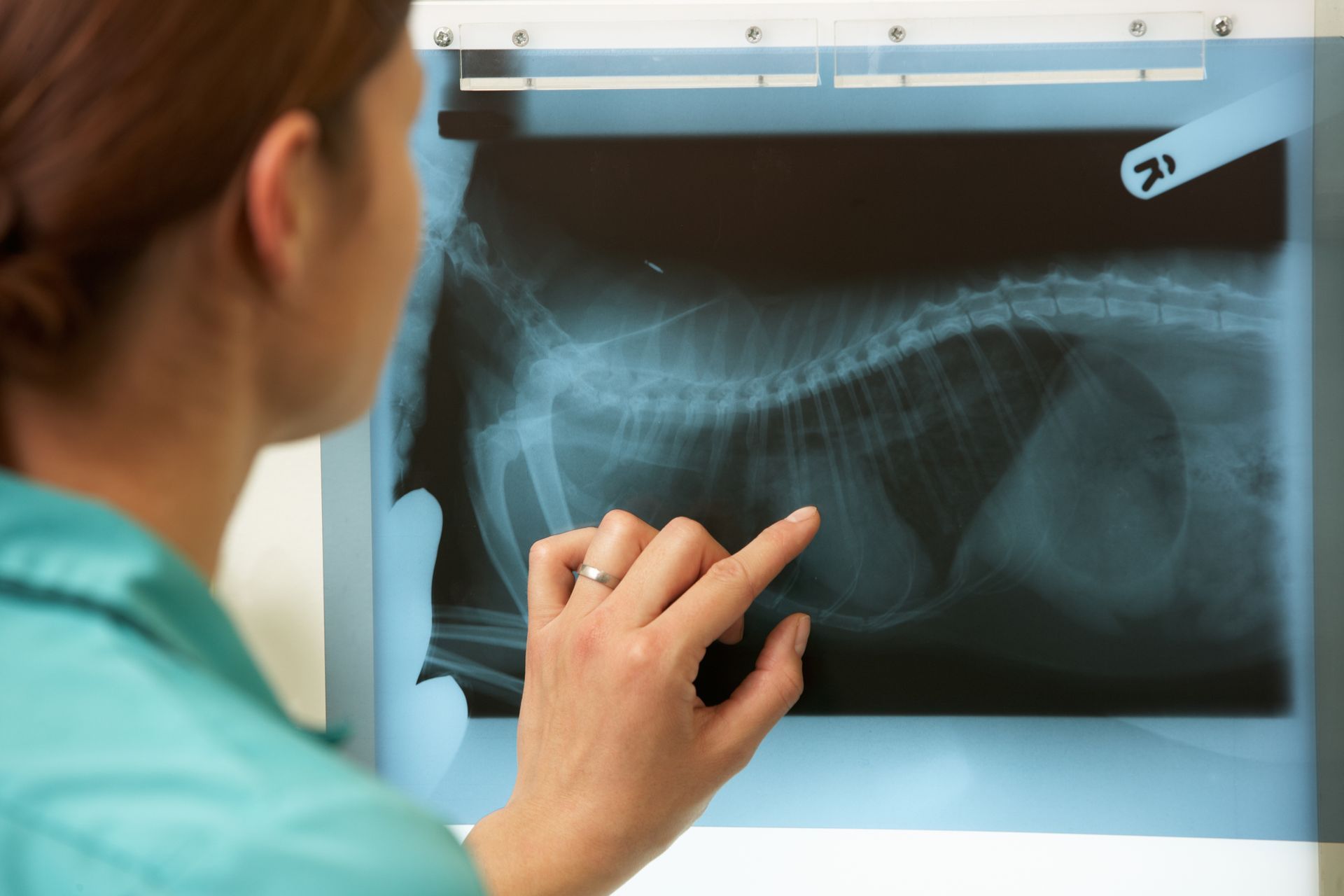
3. Blood work or other tests may be recommended based on your pet's age and health.
4. A date for the next wellness exam is set, so care stays on schedule.
Most visits end with written notes you can keep with your pet's records. These notes make it easier to track changes between exams.
Questions to Bring to Your Visit
Preparing a few questions in advance makes the visit more useful. Consider asking about your pet's diet and weight, dental care, and what changes to watch for at home. Write them down so you do not forget them during the exam.
Many owners also keep a simple log of appetite, energy, and bathroom habits between visits. Bring that log to your next exam, and your veterinary clinic team can help you read the trends.
Choosing a veterinary clinic in Seattle that you trust makes each visit easier. Look for a team that explains findings clearly and gives you time to ask questions.
Plan Your Pet's Next Wellness Exam in Seattle
A wellness exam is a simple way to protect your pet's health year after year. At South Seattle Veterinary Hospital, our team can walk you through each step of a routine visit and answer questions about your pet's care. You can contact our team to schedule a visit or review our veterinarian services to see what routine care includes. To book now, call (206) 242-8338.